
Most homeowners use “landscape designer” and “landscape architect” as if they describe the same profession, but the truth is that they are not the same.
When you use the wrong one for your project, it can result in permit rejections, structural failures and even costly rework which exceeds your budget
In this guide, you will find the real differences between a landscape designer vs landscape architect, compare their roles directly, and help you decide which professional your project actually requires.
It also helps to review how much does landscape design cost so you go into the process with realistic budget expectations based on the type of professional involved.
Landscape Designer vs Landscape Architect: What’s the Difference?
A landscape designer focuses on how your outdoor space looks and functions. They plan layouts, select plants, and design patios, gardens, and outdoor living areas. Most operate without a state license, though many hold certificates from accredited programs.
A landscape architect holds a state-issued license and carries legal responsibility for the technical and structural side of a project. Grading, drainage systems, retaining walls, and work that requires municipal permits all fall within their scope.
| Role | Focus | Licensing | Project Type | Complexity Level |
| Landscape Designer | Aesthetics and usability | Not required in most states | Patios, gardens, outdoor living | Low to medium |
| Landscape Architect | Technical, structural, legal | State-licensed and regulated | Grading, drainage, permits | Medium to high |
For example, designing a new patio with planting beds is a designer’s work. Resloping a yard with drainage problems and a retaining wall requires a licensed architect.
What Does a Landscape Designer Do?
Landscape designers focus on how your outdoor space looks and feels. Their core work covers spatial layout, plant selection, hardscape placement, and outdoor living design.
A skilled designer can take an underused backyard and turn it into a functional outdoor space with a patio, garden beds, and defined areas for relaxing or entertaining.
Most do not carry a state license, but experienced designers bring genuine depth in material knowledge, plant science, and client-focused spatial planning.
What Does a Landscape Architect Do?
Landscape architects are licensed professionals trained in both design and civil engineering principles. They manage the technical side of outdoor projects, including grading, drainage, retaining walls, erosion control, and permit submissions.
State licensing gives them legal authority and professional accountability. For any project that touches structural elements or needs municipal sign-off, only a licensed architect can legally approve the plans.
Knowing what to expect from landscape design consultation helps you prepare the right questions before your first meeting with either professional.
An architect’s session covers site analysis, compliance, and technical constraints well beyond what a typical designer addresses.
5 Key Differences That Actually Matter for Your Project
The practical gap between these two roles comes down to scope, legal authority, technical depth, and cost.
| Factor | Landscape Designer | Landscape Architect | Why It Matters |
| Project Complexity | Patios, gardens, planting, flat lots | Sloped terrain, drainage, retaining walls | Determines who can legally handle the work |
| Permit Authority | Cannot submit or sign off on permits | Licensed to submit and approve permit drawings | Required for structural or graded projects |
| Structural Work | Decorative hardscape only | Retaining walls, grading, drainage systems | Wrong choice risks failed inspections |
| Cost Range | Lower hourly and project fees | Higher due to licensing and liability | Reflects legal accountability and technical depth |
| Risk Level | Minimal on aesthetic projects | Covers liability on regulated work | Mismatched hire leads to costly rework |
For a basic patio or garden refresh, a designer covers everything. Once a project involves land alteration, drainage redesign, or structural builds, a licensed architect becomes the legally required option, not just the preferred one.
Which One Do You Need? A Project-Based Guide
When a Landscape Designer Is the Right Choice
For landscape designers, small to medium residential projects are the best. Backyard redesigns, patio additions, garden layouts, and aesthetic upgrades all fall within a designer’s scope.
If you want a new paver patio with planting beds and outdoor lighting on a flat lot, a designer delivers exactly what you need without the added cost of licensed professional services.
- Backyard patio and garden redesigns
- Plant selection and seasonal color schemes
- Outdoor living spaces without structural changes
- Decorative hardscape additions on flat terrain
When You Need a Landscape Architect
If your project changes land elevation, redirects water flow, or includes structural retaining elements, a landscape architect is the best choice for you.
- Sloped yards that require grading
- Drainage redesign or stormwater management
- Retaining walls above code height thresholds
- Projects near wetlands or regulated land
- Anything that requires a municipal permit
Hiring a designer for a sloped yard with drainage problems is a genuine risk. Without licensed oversight, the drainage solution may fail inspection or cause water to pool near the foundation, creating a much more expensive problem later.
When You Might Need Both
Large-scale or luxury residential projects often benefit from both professionals working in parallel. The architect handles engineering, grading, and permits while the designer leads the aesthetic vision and planting plan.
This approach works well on estate properties, commercial builds, or complex sites where technical compliance and high-end design both carry equal weight.
When a Design-Build Firm Is the Best Option
Single firms that cover design, engineering, and construction under one contract are best for some projects.
The coordination gap between separate professionals disappears entirely.
The timeline, including how long does landscape design take from first concept to final install, tends to shorten when one team manages the full scope without external handoffs.
Cost Differences: Is a Landscape Architect Worth It?
Choosing based on price alone leads to expensive mistakes. The right professional for your project type is always the better investment, regardless of hourly rate.
| Service Type | Typical Cost Level | Value Provided | Risk If Skipped |
| Landscape Designer | Lower | Aesthetic and functional design | Limited coverage on complex projects |
| Landscape Architect | Higher | Technical, legal, structural coverage | Permit failures, structural errors |
| Design-Build Firm | Variable | Full project management and execution | Minimal with a reputable firm |
Why Landscape Architects Cost More
Landscape architects fees mean three things:
- State licensing requirements,
- Professional liability coverage
- Technical expertise that legally regulated projects demand.
They carry direct legal responsibility for the work they approve and sign.
Why Cheaper Isn’t Always Better
A designer hired for a job that needed an architect often produces work that fails inspection or requires a full redesign. The rework cost almost always exceeds the original fee difference by a significant margin.
What Happens If You Choose the Wrong Professional?
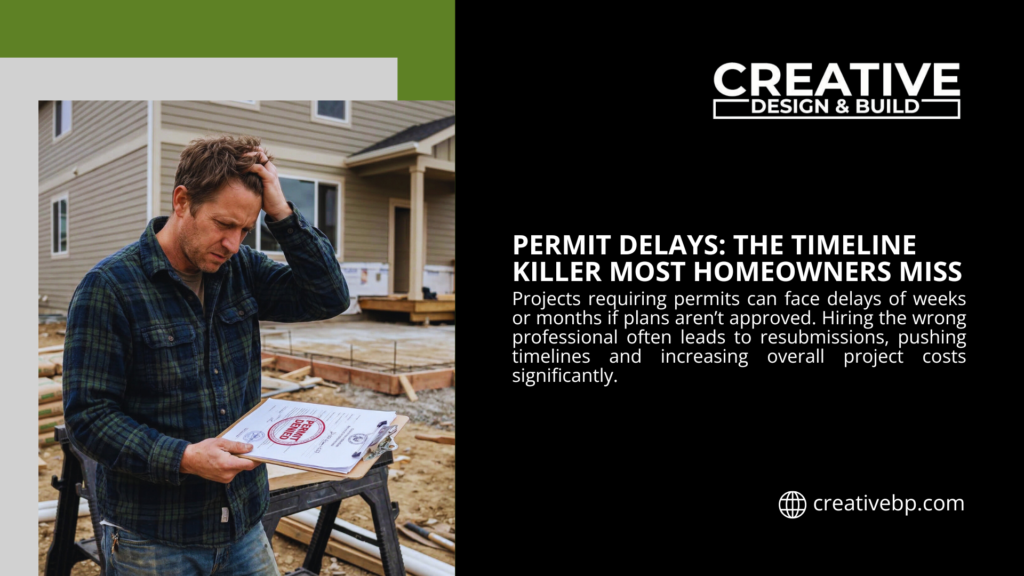
The consequences range from minor project delays to serious structural failures. Most homeowners only discover the problem after money has already been spent and work has been completed.
For example, if a homeowner hires a landscape designer for a sloped backyard with drainage challenges, the designer may create an attractive layout. However, drainage problems can persist without the necessary technical expertise in grading and water management.
Fixing it means tearing out completed work and bringing in an architect retroactively.
Real Risks Homeowners Overlook
- Failed municipal inspections on permitted work
- Retaining walls that do not meet structural code
- Drainage designs that cause erosion or water damage over time
- Redesign costs that double the original project budget
- Project delays tied to missing permits or unapproved structural plans
A Smarter Approach: When Design-Build Services Make More Sense
A design-build firm combines creative design and technical construction under a single contract. One team manages the entire project, which reduces errors that often occur at the handoff point between separate professionals.
For homeowners still weighing the landscape designer vs landscape architect decision alongside whether to hire them separately or together, understanding the coordination risks involved makes the case for a unified team far clearer.
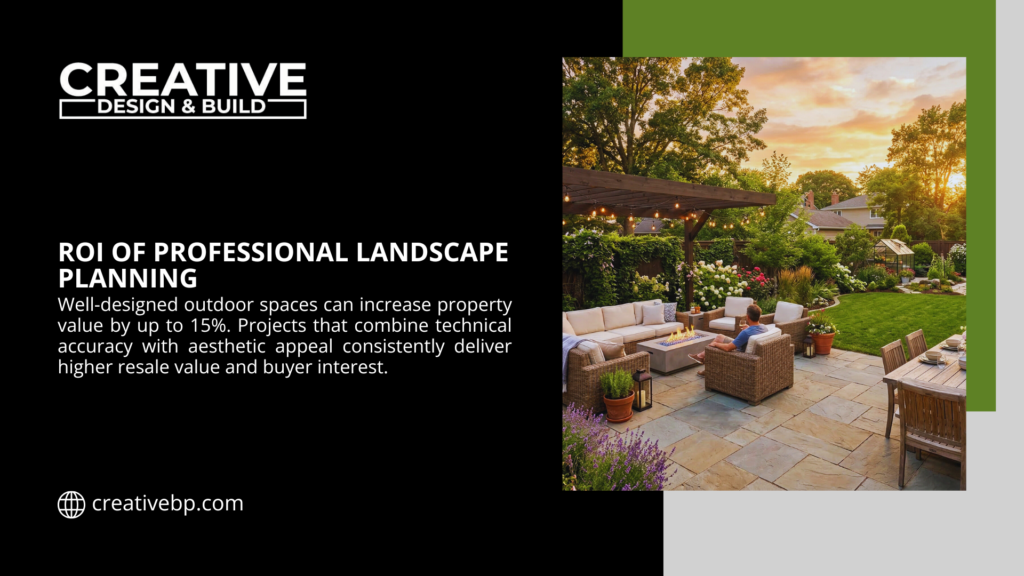
“Does a patio add value to my home” is a practical question worth asking before you commit to a project scope. The data generally supports investing in full-service professional support, since a well-designed and properly built outdoor space delivers measurable returns in property value.
Creative Design Build Associates provides this fully integrated design-build approach throughout Southeast Michigan, backed by over 30 years of industry experience in delivering cohesive, high-quality projects from concept to completion.
Our team handles design, material selection, and construction as one coordinated process, with no gap between what was drawn and what gets built.
Frequently Asked Questions (FAQ) On Landscape Designer vs Landscape Architect
What is the main difference between a landscape designer vs landscape architect?
Designers focus on aesthetics, plant selection, and outdoor living layout. Architects handle structural work, drainage, grading, and any project that requires permits or licensed professional sign-off.
Do I need a landscape architect for my project?
Only if your project involves structural changes, land grading, drainage redesign, or municipal permits. Flat lots with no structural elements rarely require one.
Can a landscape designer manage the full project?
Yes, within their scope. They can oversee contractors and coordinate installation, but cannot legally approve structural or permitted work.
What types of projects require a licensed professional?
Any project involving retaining walls above code height, significant grading, drainage infrastructure, or work near regulated land requires a licensed landscape architect.
How much does a landscape designer vs landscape architect cost?
Designers typically charge lower rates. For a practical cost reference on one of the most common residential landscape investments, reviewing paver patio cost per square foot in Michigan gives you a useful baseline for material and labor expectations in this region.
Key Takeaway
The landscape designer vs landscape architect decision comes down to project complexity and legal requirements.
Structural, technical, or permitted projects require an architect. When you want both design quality and construction expertise in one place, a design-build architect removes the guesswork entirely.
Creative Design Build Associates serves homeowners and commercial clients across Southeast Michigan with full-service outdoor design and build solutions. Contact us today to discuss your project and get a clear, honest assessment of what your space actually needs.