
Outdoor Design That Guides Every Detail
Our design services transform ideas into clear, build-ready plans through a structured process that balances creativity, functionality, and long-term value.
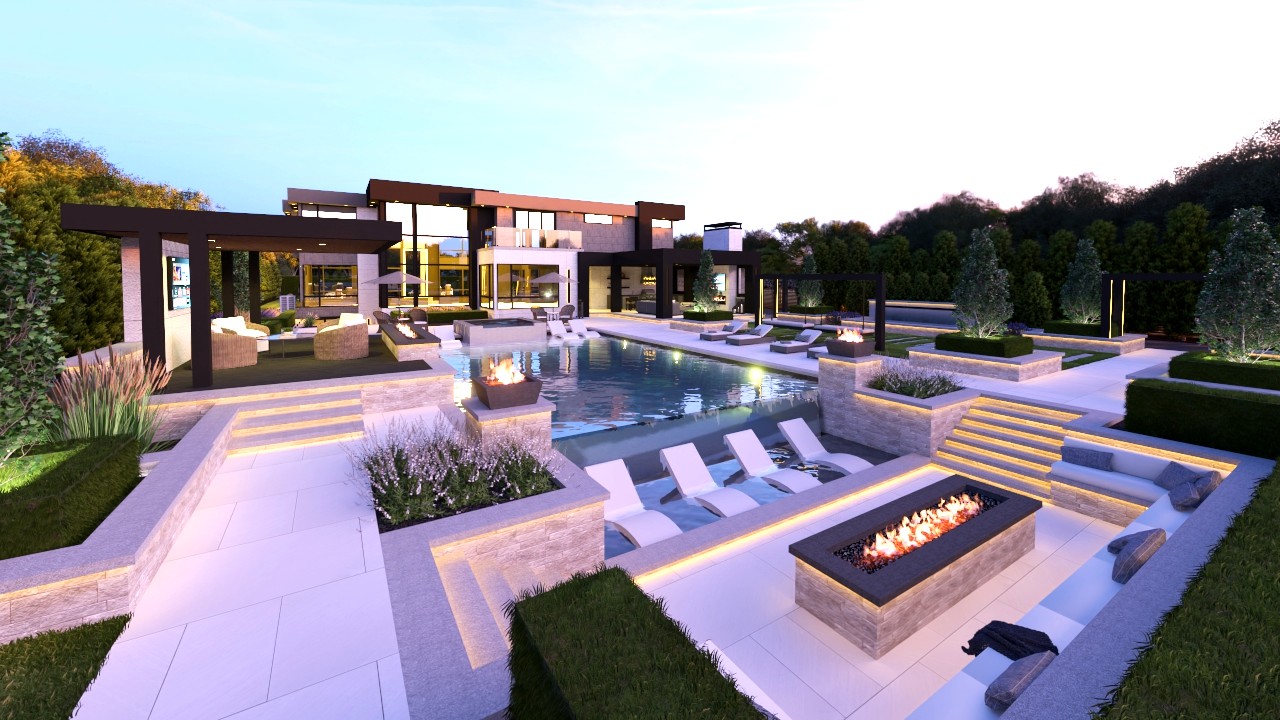
Design With Purpose and Precision
Our design services create a clear roadmap for your outdoor project, eliminating guesswork and aligning vision, function, and budget before construction begins. We take a collaborative, site-specific approach that considers how you live, how the space will be used, and how every element will perform over time.
From initial discovery through detailed construction documentation, our design process ensures all decisions are intentional, coordinated, and build-ready. This approach reduces delays, minimizes costly changes during construction, and results in outdoor environments that feel cohesive, functional, and lasting.
Thoughtful Planning. Clear Vision. Confident Decisions.
We specialize in design of custom spaces be it an outdoor living room or a custom fireplace. Our diverse team allows us to provide expert guidance in a wide range of categories that service functionality, beauty and budget.
Landscape Planting
We offer a full range of landscape design services that guide your project from initial ideas through construction. Whether you’re envisioning a complete outdoor transformation or refining an existing space, our process ensures clarity, beauty, and buildable results.Natural Feature/ Environmental Design
Our environmental landscape design service focuses on creating outdoor spaces that work in harmony with the natural environment, balancing beauty, sustainability, and long-term performance.Water/ Fire Features
Our exterior living design service focuses on creating functional, comfortable, and visually cohesive outdoor environments that extend your home and support how you live, relax, and entertain outdoors.Custom inground Pools and Spa
Our custom pool design service creates resort-style aquatic environments that blend seamlessly with your home, landscape, and outdoor living spaces, designed for beauty, comfort, and long-term performance.Exterior Façade Renovations
Our exterior façade design service enhances the visual identity of your home by refining materials, proportions, and architectural details—creating a cohesive, timeless exterior that complements the surrounding environment.Outdoor Living
Our customized outdoor spaces service creates purpose-built environments tailored to your lifestyle, whether for entertaining, relaxation, recreation, or everyday enjoyment.Interior renovations / Additions
Our entertainment and fireplace wall designs create focal points that bring warmth, function, and visual impact to both indoor-adjacent and outdoor living spaces.Why Choose Our Design Services
1.Build-Informed Design
Our designers work closely with construction teams, ensuring concepts are realistic, efficient, and ready to execute.
2. Clear, Structured Phases
Each phase builds on the last, so clients always know what’s next and why decisions are being made.
3. Visual Confidence Before Building
3D renderings and refined plans eliminate uncertainty and help clients move forward with confidence.
4. Budget-Aligned Planning
Design decisions are guided by practical cost awareness to avoid surprises later.
5. Long-Term Performance Focus
We design spaces that function well, age gracefully, and remain adaptable over time.
What Clients Say About Our Services
Our clients choose us for our professionalism, transparency, and craftsmanship, and their feedback speaks for itself.
Did what they said they would do, in the time and budget that they said they would do it in. Simple - but rare in this space. Kudos!
Creative Design Build is a great contractor with a professional project manager Stephen B. Steve leads the project by listening to all his clients carefully to understand scope of work. He designs and develops the complete project and executes it beautifully with his team of Tony and others. CDB and Steve are fantastic to work with and learn from. Recommend them for all of your outdoor work needs. Great people to work with. Top rating and ranking for Steve and CDB Team. Thank you Steve, Tony, and rest of CDB Team.
Best of the Best Stephen B designs “with” me and has on many projects and his crew led by Tony F so efficient & clean job site- nicest people ever!! P.S. I love my driveway so much.
Would hire them again for sure. We have hired a lot of contractors/progessilnals over the years for our home. CDB were one of the best. First, they came up with the design and it turned out more beautiful than we thought. As important, they met their schedule and budget and were excellent at communicating with us. We never had to wonder what was happening, if they were showing up, what the permit status was,....We felt they truly cared how we were doing throughout the process. They showed up with full crews and worked long, hard days and got done when they said they would. And while we understand construction, they always answered our questions primly and clearly.
Stephen is the BEST! His service, professionalism and attention to detail is unmatched! I would strongly recommend using his services! You will love working with him!
I have done two big projects with Stephen and Creative Design and I have only rave reviews! I am extremely happy with the plans and execution of each with the workmanship at a top level!
Look no further than Creative Build and Design. They will get the job done leaps and bounds beyond the rest. Stephan and his crew are amazing to work with from start to finish. They helped me realize the vision I that had for my backyard better than I ever imagined. The attention to detail and quality of work sets them far apart from the rest. I got 5 quotes in total that were all vastly different and I couldn’t be happier with the end result. I am so grateful that I choose Creative Design and Build. I recommend them 200% and a big thank you to Stephan and the crew for the excellent work and a job well done.
Stephen was fantastic to work with. There wasn’t any surprises through the process of my project. The crew was professional, kind and left no mess at all. I was very happy with the end result.
Fair price superior work nice people working.
Great Work
Start With a Plan You Can Trust
Design clarity today leads to confidence tomorrow.