
Homeowners planning outdoor spaces face a critical choice between bluestone and manufactured pavers. The bluestone patio vs pavers durability debate matters because your decision affects how your investment performs over 20 to 40 years.
Durability goes beyond just material strength. It includes freeze-thaw resistance, stain resistance, maintenance requirements, and how well surfaces hold up under Michigan’s harsh weather.
In this guide, you will see which material handles winter better, costs less to maintain, and delivers better long-term value.
Material Composition and Inherent Durability
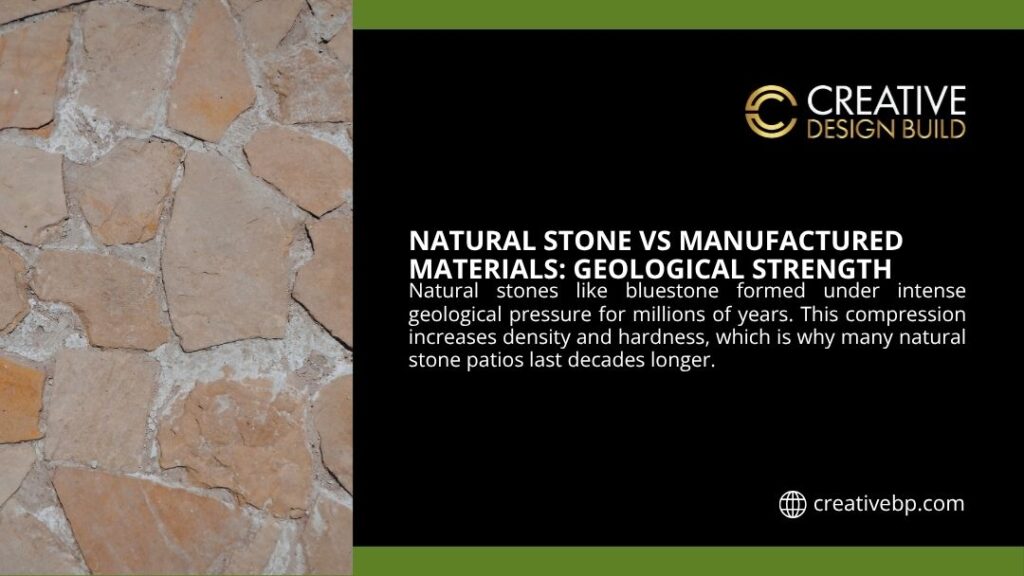
Bluestone forms from compressed sediment over millions of years. This natural stone contains primarily quartz, feldspar, and mica. The geological compression creates a dense material that resists weathering naturally.
Concrete pavers mix cement, aggregate, and pigments in controlled manufacturing. The production process allows precise control over strength, absorption, and consistency.
High-quality pavers achieve 8,000 PSI compressive strength or higher through optimized mix designs.
Clay brick pavers go through extreme heat during firing. Temperatures above 2,000°F create a virtually non-porous surface. The process locks in color throughout the material rather than just at the surface.
| Material Type | Formation Process | Density | Absorption Rate | Compressive Strength |
| Bluestone (thermal) | Geological compression | Very high | 0.5-2% | 15,000-20,000 PSI |
| Bluestone (standard) | Natural formation | High | 3-6% | 12,000-15,000 PSI |
| Concrete pavers (premium) | Controlled manufacturing | High | 3-5% | 8,000-10,000 PSI |
| Clay brick pavers (SW-rated) | High-temp firing | Very high | 1-3% | 8,000-12,000 PSI |
How Density Affects Long-Term Performance
Dense materials resist water penetration better. Water cannot expand inside materials it cannot enter. This simple principle explains why thermal bluestone survives freeze-thaw cycles with minimal damage.
Standard bluestone varies more in density than manufactured products. Some pieces absorb 6% water by weight. Others stay below 2%. This inconsistency creates durability differences within the same bluestone patio.
Manufactured pavers deliver consistent density across every unit. Quality control during production eliminates the weak pieces that would fail early. This consistency provides predictable performance across entire installations.
Freeze-Thaw Cycle Resistance
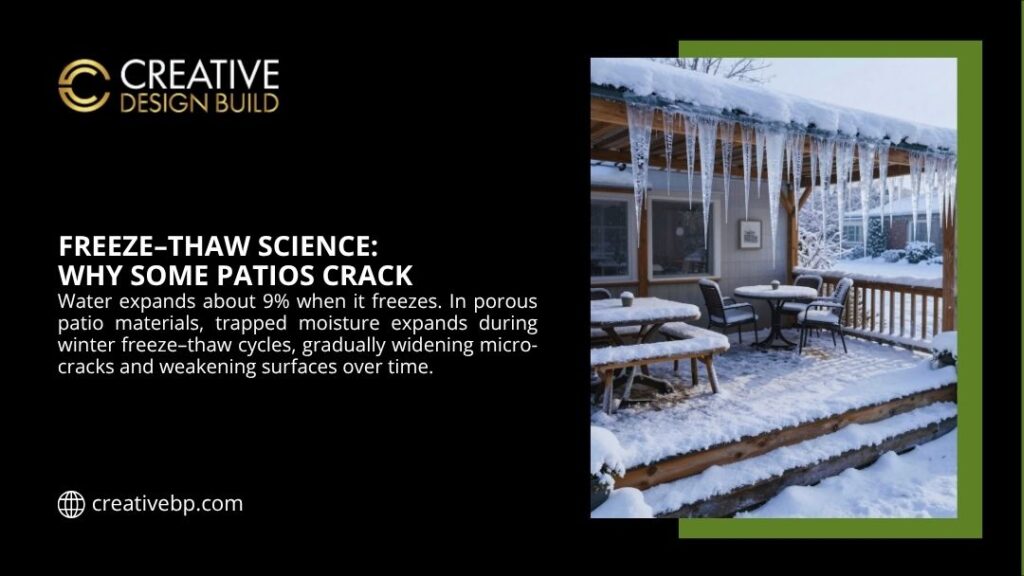
Michigan experiences 80 to 100 freeze-thaw cycles annually. Materials must handle repeated water expansion without cracking. The best pavers for cold climate in Michigan meet specific absorption and strength standards that ensure survival.
Thermal bluestone excels in freeze-thaw conditions. The cutting and heating process seals the surface. Absorption rates below 1% mean minimal water enters the stone. Less water means less freeze damage over decades.
Standard bluestone without thermal treatment performs less reliably. Some pieces crack after a few winters and others last 50 years. The variability stems from natural formation differences that affect density and absorption.
Premium concrete pavers with sub-5% absorption handle Michigan winters well. These manufactured products undergo testing that predicts freeze-thaw performance. Buyers get specifications that guarantee cold climate durability.
Winter Damage Patterns
Bluestone cracks typically run along existing planes within the stone. Natural formation creates these planes. Freeze-thaw cycles exploit them when water penetrates and expands.
Paver cracks usually start at edges or corners. Impact damage from snow shovels creates initial chips. Freeze-thaw cycles widen these damaged areas over time.
Spalling affects both materials differently. Bluestone spalls when surface layers flake off. This happens more with standard bluestone than thermal. Pavers spall when the surface delaminates from the core, which occurs mainly with lower-quality products.
| Winter Challenge | Bluestone Response | Paver Response | Winner |
| Freeze-thaw cycles | Excellent (thermal), variable (standard) | Excellent (premium grade) | Tie (quality-dependent) |
| Ice buildup | Texture provides traction | Texture varies by finish | Depends on surface |
| Snow removal damage | Chips at edges | Chips at corners | Bluestone (more mass) |
| Salt exposure | Minimal damage | Can etch surface | Bluestone |
Surface Wear and Traffic Resistance
Foot traffic wears surfaces gradually. Hardness determines how quickly materials show wear patterns. Bluestone ranks 6 to 7 on the Mohs hardness scale. Most concrete pavers rate around 5 to 6.
High-traffic areas develop worn paths over years. Bluestone shows wear slowly due to natural hardness. The material resists abrasion from dirt, sand, and foot traffic better than most manufactured options.
Concrete pavers wear faster in heavy-use zones. Pool decks, main walkways, and entry areas show visible wear after 10 to 15 years. The surface texture smooths out. Color may fade where feet contact most frequently.
From our work with commercial projects, bluestone maintains its texture longer. Retail courtyards and restaurant patios with bluestone look better after a decade than concrete paver equivalents with similar traffic loads.
Impact Damage Vulnerability
Dropped objects create chips or cracks in both materials. Bluestone’s greater thickness (typically 1.5 to 2 inches) provides more mass to absorb impacts. Thinner pavers (usually 2.5 inches for pedestrian applications) chip more easily at edges.
Sharp impacts from metal furniture legs damage both surfaces. Bluestone develops small divots. Pavers crack more dramatically because manufactured materials lack the natural fault lines that allow bluestone to chip locally without full-unit failure.
Stain Resistance and Maintenance Requirements
Bluestone absorbs liquids more readily than sealed pavers. Oil, wine, and food stains penetrate unsealed bluestone surfaces. The natural porosity allows staining agents to soak deep into the material.
Sealing bluestone reduces stain absorption significantly. Quality sealers applied every 2 to 3 years maintain stain resistance. The maintenance requirement adds long-term cost that affects overall durability economics.
Concrete pavers with integral color resist stains better than bluestone. The pigment goes throughout the material. Surface stains don’t show as dramatically. Cleaning removes most marks without chemical treatments.
| Maintenance Factor | Bluestone Requirements | Paver Requirements |
| Stain removal | Requires chemical cleaners | Usually simple washing |
| Joint sand replacement | Every 2-3 years | Every 2-3 years |
| Pressure washing | Annually | Annually |
Efflorescence and Mineral Deposits
Efflorescence appears as white, powdery deposits on surfaces. Concrete pavers show efflorescence more than bluestone. The phenomenon occurs when water moves through concrete and deposits minerals at the surface.
Bluestone develops mineral staining differently. Iron within the stone oxidizes and creates rust-colored marks. This happens naturally and doesn’t indicate structural problems.
Both materials collect calcium deposits from hard water. These white marks appear around sprinklers or areas with standing water. Standard cleaning removes calcium buildup from either surface equally.
Cost vs Lifespan Analysis
Initial material costs differ substantially. Bluestone runs $15 to $25 per square foot for materials alone. Premium concrete pavers cost $8 to $12 per square foot. Standard pavers start at $4 to $6 per square foot.
Installation costs vary less between materials. Both require similar base preparation. Bluestone’s irregular thickness demands more time for leveling. This adds $2 to $4 per square foot to labor costs. The paver patio cost per square foot in Michigan accounts for these installation variables.
Expected lifespan determines real value. Thermal bluestone lasts 50 to 75 years with basic maintenance. Premium pavers survive 25 to 35 years. Standard pavers need replacement after 15 to 20 years.
Installation Method Impact on Durability
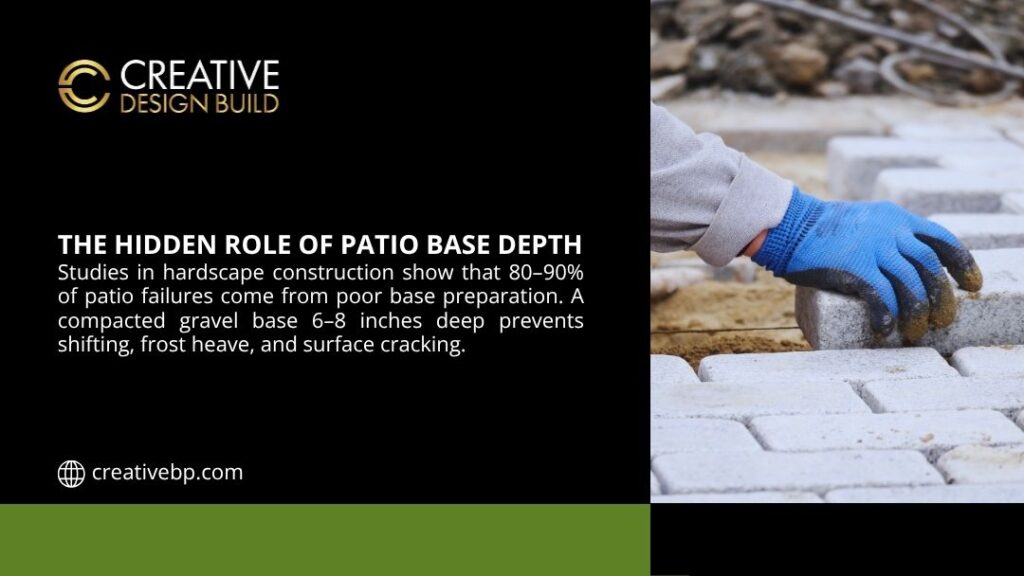
Base preparation affects both materials equally. Inadequate bases cause problems regardless of surface choice. The durability debate between bluestone patio vs pavers durability often overlooks this critical factor.
Bluestone’s irregular thickness requires more skilled installation. Each piece needs individual leveling. Less experienced installers create uneven surfaces that trap water. Poor drainage reduces durability faster than material choice.
Pavers install faster due to uniform thickness. The consistent dimensions allow rapid placement. This speed can tempt contractors to rush base preparation. Properly compacted bases matter more than quick installation.
Settling issues affect both materials identically. Paver patio sinking applies equally to bluestone and manufactured pavers. The base determines whether surfaces stay level or develop low spots over time.
| Installation Factor | Bluestone Consideration | Paver Consideration |
| Thickness uniformity | Variable, requires individual leveling | Consistent, faster placement |
| Cutting requirements | More cuts for irregular shapes | Standard sizes reduce cuts |
| Skill level needed | Higher for proper leveling | Moderate for pattern placement |
| Time to complete | 20-30% longer | Baseline timeline |
Aesthetic Changes Over Time
Bluestone develops a patina that many consider attractive. The aged appearance adds character. Natural weathering creates color variations. This organic evolution appeals to homeowners who value natural materials.
Pavers maintain their original appearance longer. Consistent manufacturing creates uniform surfaces that age predictably. Homeowners who prefer controlled aesthetics choose pavers over bluestone’s variable aging.
Both materials collect organic growth in shaded areas. Moss and algae affect appearance and create slip hazards. Regular cleaning maintains safety and appearance for either material.
Repair and Replacement Considerations
Individual paver replacement takes minutes. Pop out the damaged unit. Install a new one. The repair disappears into the surrounding pattern. This simple repair process extends the effective life of paver patios.
Bluestone replacement proves harder. Finding matching pieces challenges homeowners. Quarries change. Colors vary. New pieces stand out against weathered neighbors. Homeowners often accept small damage rather than attempt repairs that highlight the fix.
Edge damage occurs more frequently with pavers due to thinner profiles. Corner chips create trip hazards. Bluestone’s greater thickness resists edge damage better. However, when damage occurs, repair options differ significantly.
Frequently Asked Questions
Which lasts longer, bluestone or pavers?
Thermal bluestone outlasts manufactured pavers significantly. Quality bluestone patios survive 50 to 75 years with proper maintenance. Premium concrete pavers last 25 to 35 years. Standard pavers need replacement after 15 to 20 years.
Does bluestone crack in cold climates like Michigan?
Thermal bluestone resists freeze-thaw damage exceptionally well due to low absorption rates below 2%. Standard bluestone without thermal treatment shows variable performance. Some pieces crack within years while others last decades.
Is bluestone harder to maintain than pavers?
Bluestone requires sealing every 2 to 3 years to maintain stain resistance and appearance. This adds $200 to $400 annually compared to pavers that need sealing less frequently. Bluestone stains more easily from spills. However, bluestone needs fewer repairs over its longer lifespan.
Bluestone Patio vs Pavers Durability: Making the Durability Choice
From our experience with Michigan installations, bluestone suits homeowners who value natural materials and plan long-term ownership. The material’s 50+ year lifespan justifies higher initial investment. Pavers work better for homeowners who prefer uniform appearance and easier repairs.
Both materials perform well when properly installed on adequate bases. The base preparation, drainage design, and installation quality affect results more than material selection alone. Shortcuts during installation doom either material to early failure.
Creative Design Build Associates works with both bluestone and manufactured pavers across Southeast Michigan. We help clients evaluate material options based on budget, aesthetic preferences, and long-term ownership plans.
Our installations include proper base preparation and drainage systems that maximize material performance regardless of surface choice.
Contact Creative Design Build Associates today to discuss your project specifics. We provide honest comparisons between materials and transparent cost estimates.